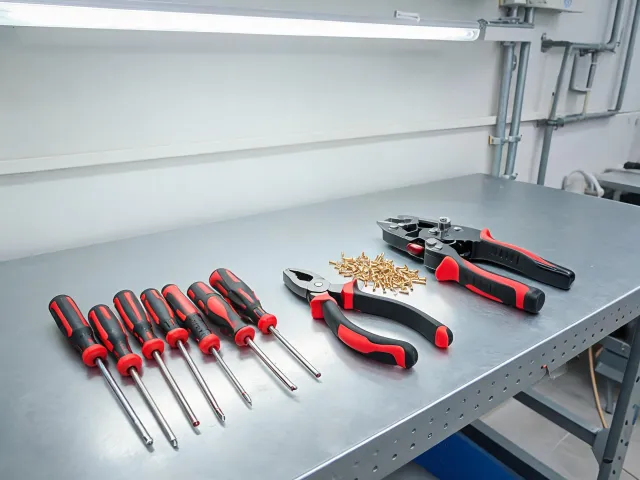
Construction electrical
Insulated screwdrivers, slim blades and plier sets support panel installation, cabinet wiring and field changes where access is tight.
Vertical fit matrix
Different industries ask the same hand tool to solve different problems. An electrical panel builder may care about insulated access and terminal torque. A field service crew may care about backpack weight, bit retention and replacement cadence. A manufacturing maintenance team may care about tool crib control and repeatable kit naming. Wiha selection works best when those contexts are separated before product names are compared.
Five application groups
Insulated screwdrivers, slim blades and plier sets support panel installation, cabinet wiring and field changes where access is tight.
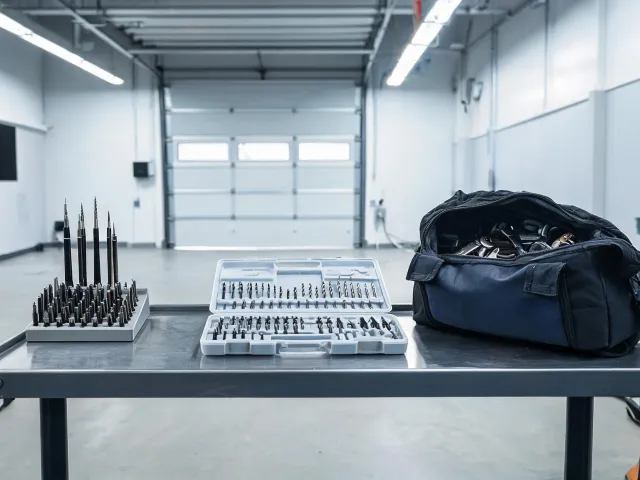
Precision drivers, nut drivers and compact bit tools help technicians work around sensors, modules and interior fasteners.
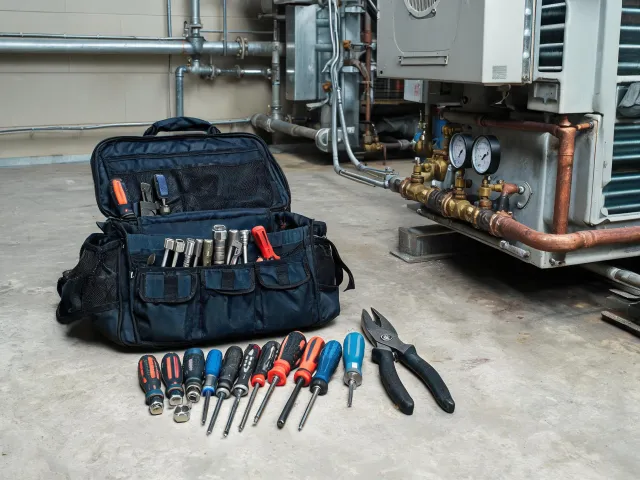
Service kits focus on reachable storage, handle comfort and fast replacement for mobile routes and mechanical rooms.
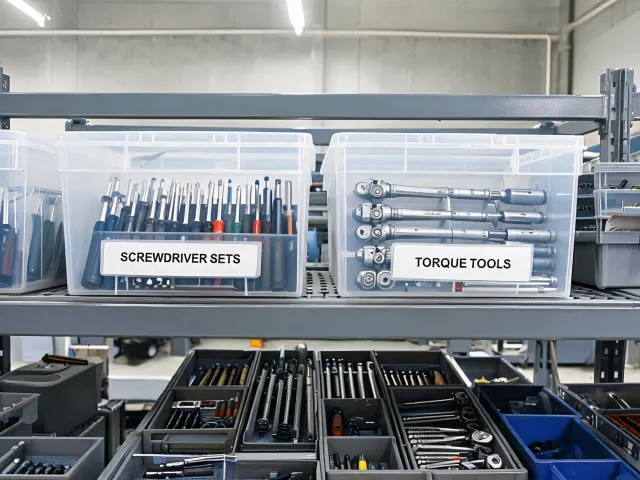
Tool crib teams need consistent names, controlled replacements and torque-aware options for recurring maintenance tasks.
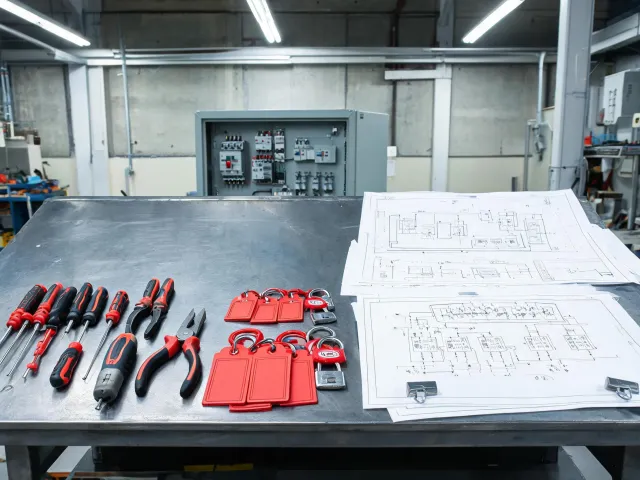
Electrical maintenance programs prioritize VDE categories, durable storage and product traceability for safety-driven work.
Application fit matrix
| Application | Primary Wiha focus | Selection signal | Common risk if ignored |
|---|---|---|---|
| Panel work | Insulated screwdriver sets | Blade reach, VDE marking, handle visibility | Wrong blade access slows safe termination work |
| Electronics repair | Precision and ESD drivers | Tip size, grip control, static-sensitive bench rules | Cam-out or static exposure damages compact devices |
| Assembly line | Torque screwdrivers | Torque range, calibration routine, fastener material | Over-driving creates rework and inconsistent fastening |
| Field service | Tool backpacks and compact kits | Weight, replacement cycle, task coverage | Technicians carry duplicates but miss critical profiles |
| MRO tool crib | Standardized hand-tool sets | SKU naming, storage bin logic, reorder point | Branches buy different tools for the same job |
Industry RFQ
A useful Wiha inquiry names the industry, the trade role, the tool storage method and the fastening condition. That extra context keeps a screwdriver request from becoming a vague price check. It also helps separate standard, insulated, precision and torque tools before a purchasing team commits to a kit.
Split RFQ form
Send a short description of the trade route, workstation or plant standard. The response can identify which Wiha tool family and kit structure deserves the first review.