Find Support Region / Language Contact

Engineering selection desk

Wiha Engineering Support for Torque, Insulation and Precision Fit

This page focuses entirely on tool selection. The useful question for Wiha buyers is whether the hand tool fits the measured task, the technician role and the purchasing record.

Bring a fastener profile, torque target, access limitation or voltage condition. Wiha engineering support can translate that input into a smaller shortlist of screwdriver sets, insulated tools, precision drivers and service kits.
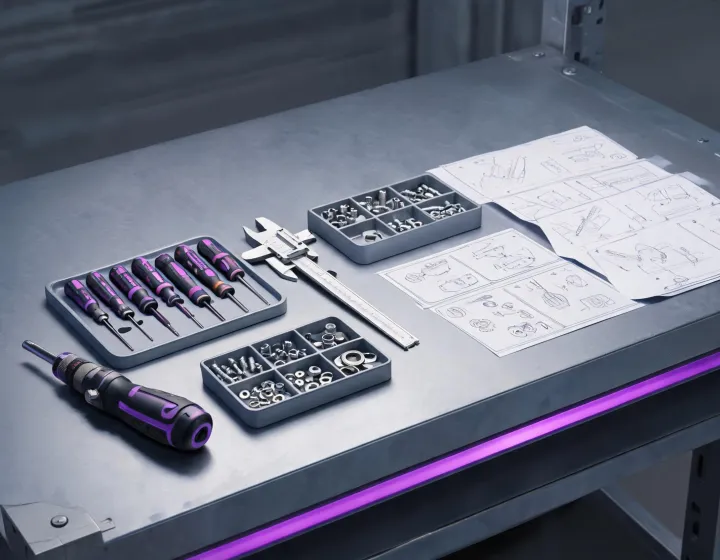
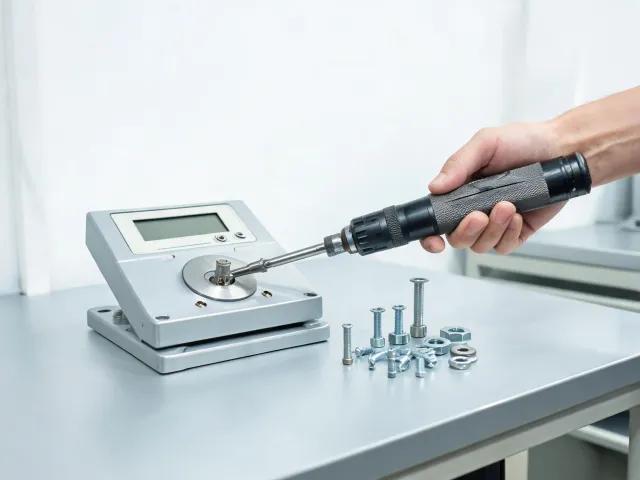
Wiha torque and insulated tool engineering bench

Selection narrative

From broad catalog to controlled tool decision

Engineering support begins by reducing ambiguity. "Screwdriver" can mean a heavy-duty cabinet driver, an insulated slim blade, a micro Torx driver, a bit-holding ratchet, a torque-limited driver or a kit that combines several of those functions. Each category changes handle size, reach, replacement policy and user training. A good specification names the job before it names the tool.

"A Wiha recommendation should explain the reason for the driver, the range of the torque, the insulation condition and the way the tool will be stored after the shift."

For procurement teams, that explanation matters. It prevents a branch from substituting a cheaper but unsuitable profile. For safety teams, it separates insulated tools from general hand tools. For maintenance leaders, it creates a repeatable kit that can be audited. For assembly teams, it supports fastening discipline without asking every operator to make the same judgment by feel.

Expandable engineering checks

What to define before the shortlist

Record target torque, tolerance expectation, fastener material, cycle frequency and whether the driver needs a preset or adjustable range. This prevents a tool meant for occasional adjustment from being used as a production control device.

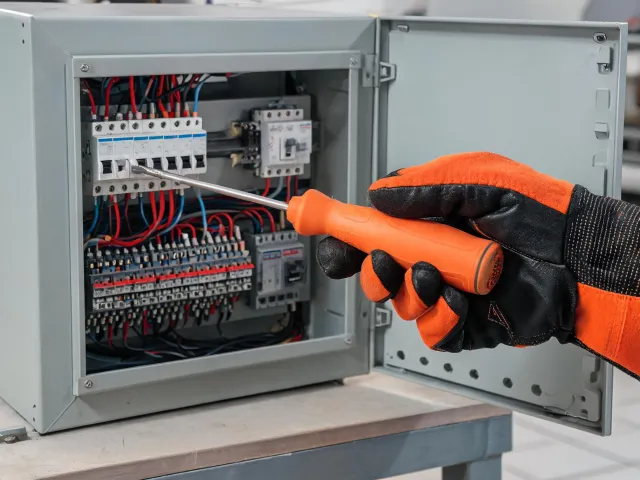
Note whether the work involves dense terminals, recessed screws, cabinet depth or routine panel maintenance. Slim insulated blades and visible handle markings can matter as much as the nominal screwdriver size.

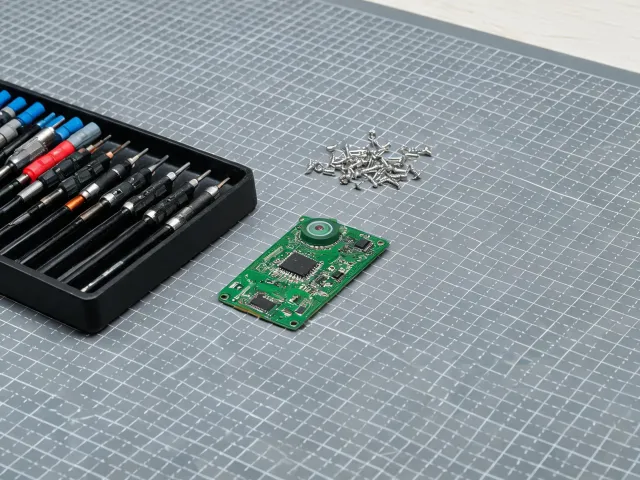
List the drive profiles, device types and static-control rules for electronics work. Precision tools should be selected around tip engagement and operator control, not only around a small handle diameter.

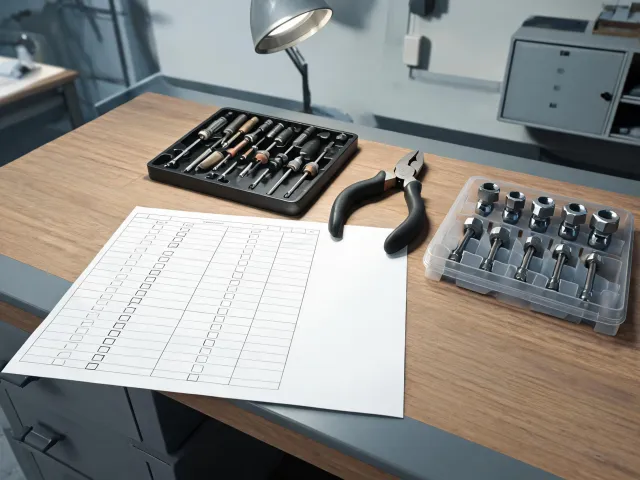
Decide whether the tool will live in a tool crib, service backpack, bench drawer or personal pouch. Storage location changes replacement rules and the best way to describe the set in purchasing records.

Engineering request

Request a Wiha capability audit

Send the fastener type, torque range, electrical condition and kit target. The reply can narrow the catalog to a practical engineering shortlist for the work in front of you.